
CBS News
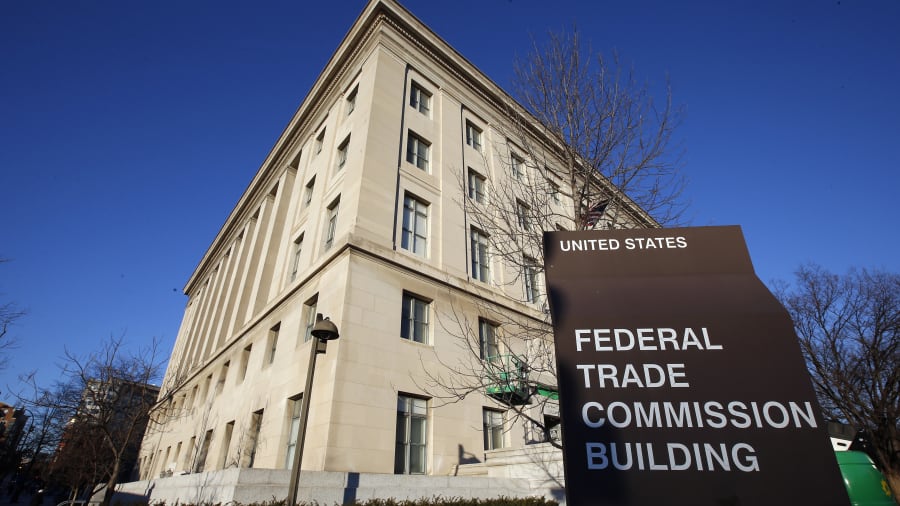
FTC poised to ban noncompetes, making it easier for workers to quit
People
Kylie Kelce Gets Custom Wooden Eagles Stadium Replica Made for Jason’s Retirement: ‘Beautiful’
People
Night Shifts, Hectic Work Schedules When Young Can Lead to Depression, Poor Health in Middle Age
CBS News
Italy is offering "digital nomad" visas. Here's how to apply.
Associated Press
Convenience store chain with hundreds of outlets in 6 states hit with discrimination lawsuit
Advertisement











































Advertisement
In Other News

Advertisement